A door access control system decides who can open which door, and when. Instead of handing out physical keys that get copied or lost, every authorised person uses an RFID card, a fingerprint, their face or a PIN, and every entry is recorded. Datainfosee Technologies designs, supplies, installs and integrates complete door access control systems for offices, server rooms, factories, hospitals, schools, gyms and residential buildings.
How a door access control system works
Every controlled door has four building blocks, which we select and match to your door type, security level and traffic:
- Reader: an RFID card reader, biometric machine (face or fingerprint) or keypad that identifies the person.
- Controller: decides whether the credential is allowed at that door and at that time, and logs every event.
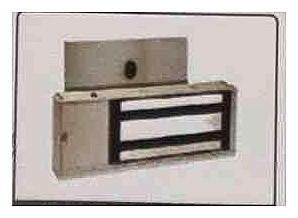
- Lock: an electromagnetic (EM) lock, drop bolt or electric strike lock that holds the door until access is granted.
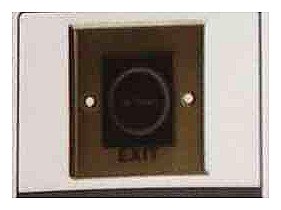
- Exit device: a no-touch exit button or push button for free, safe exit, plus door-status feedback for alarms.
RFID access control system
An RFID access control system is the most common and cost-effective option. Staff and visitors carry proximity cards or key fobs, and a tap at the reader opens the door in a fraction of a second. Cards can be issued, changed or blocked centrally, so a lost card is never a security risk. We support standard 125 kHz proximity cards and 13.56 MHz MIFARE smart cards, and can combine RFID with PIN or biometrics for higher-security doors.
Biometric door access control
For areas where cards could be shared, such as server rooms, labs, cash rooms or pharmacy stores, biometric door access control verifies the person rather than the card. Our AI face recognition devices and TrueFace terminals verify a face in under 0.2 seconds and can also mark attendance at the same time.
Choosing the right lock for each door
- EM lock 300 / 600 / 1200 lbs: for single glass, wooden or metal doors; higher holding force for heavier or exterior doors. Available with or without door-status feedback.
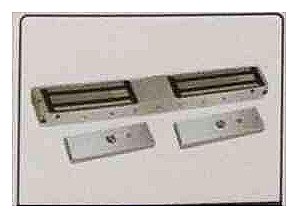
- EM lock 1200 lbs dual leaf: for double doors such as main entrances and corridors.
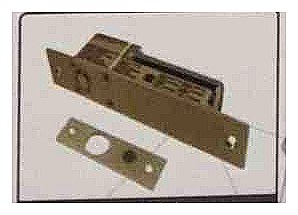
- Drop bolt: concealed-fit lock for wooden and glass doors where a surface-mounted magnet is not suitable.
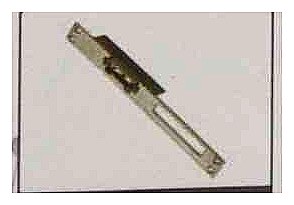
- Strike lock: replaces the strike plate of an existing lock, ideal for retrofits.
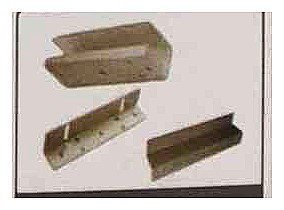
- L, U and Z brackets: adapt EM locks to inward-opening doors, glass doors and narrow frames.
All of these accessories are listed with photos and specifications below.
Software and integration
Access events are only useful when the right people can see them. As a software company, we connect your door access control system to the rest of your business:
- Attendance and payroll through HRMS software
- Visitor passes and QR access through our visitor management system
- Pedestrian lanes through turnstile gates and flap barriers
- Central reporting and alerts through ERP integration
Where door access control is used
- Office main doors, cabins and meeting rooms
- Server rooms, data centres and IT stores
- Factory production areas, stores and hazardous zones
- Hospitals: ICU, pharmacy and records rooms
- Schools, hostels and libraries
- Gyms, clubs and residential society entrances
Our installation process
- Site survey: door types, cabling routes, power and network.
- System design: readers, controllers, locks and access levels per door.
- Installation: mounting, wiring, power backup and testing.
- Configuration: users, cards, schedules and software integration.
- Support: training, annual maintenance and quick-response service.
Frequently asked questions
Will the door open during a power cut?
EM locks are fail-safe: they release when power is lost, which is required for fire safety on exit doors. Where doors must stay locked, we use fail-secure locks and add battery backup to the access control system.
Can I use my existing doors?
Usually yes. With the right bracket or a strike lock, most glass, wooden and metal doors can be converted to access-controlled doors without replacement.
Can one system manage multiple branches?
Yes. Networked controllers and software let you manage users, doors and reports for multiple locations from one place.